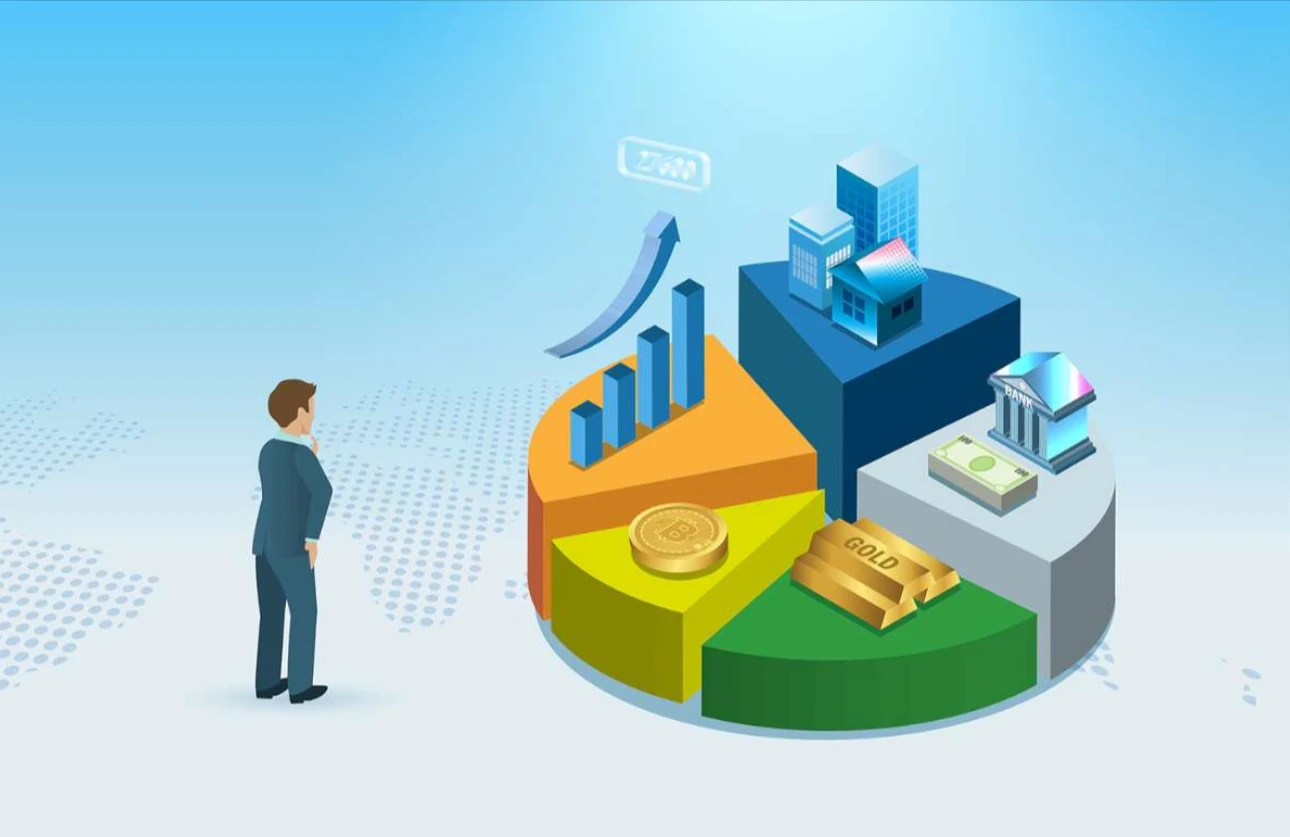
Investing in alternative assets can add significant diversification to a portfolio. This category encompasses a broad range of holdings beyond traditional stocks, bonds, and cash. Assets like art, cryptocurrencies, and collectibles offer distinct risk-return profiles that can complement more conventional investments. Understanding these asset classes, their unique characteristics, and potential benefits is crucial for a well-rounded investment strategy.
Alternative assets represent investments that operate outside the mainstream financial markets. Unlike publicly traded stocks or government bonds, these assets often have lower liquidity, less stringent regulation, and can exhibit different correlations with traditional markets. This can make them valuable tools for portfolio diversification, as their values may move independently of, or even inversely to, equities and fixed income during certain market conditions. Think of them as the uncommon spices in your investment pantry, offering flavors and textures not found in the everyday staples.
Defining Diversification
Diversification is a risk management strategy that involves spreading investments across various asset types, industries, and geographic regions. The fundamental principle is that by not putting all your eggs in one basket, you reduce the overall risk of your portfolio. If one asset class performs poorly, others may perform well, smoothing out returns and potentially mitigating losses. Alternative assets, due to their often uncorrelated nature with traditional markets, can be powerful diversifiers.
The Role of Alternative Assets in a Portfolio
Alternative assets can play several roles in an investment portfolio. They can:
- Enhance Returns: Some alternative assets have historically demonstrated the potential for high returns, though this often comes with commensurate risk.
- Reduce Volatility: When included strategically, alternatives can lower the overall volatility of a portfolio. Their performance may not track traditional markets, providing a ballast during market downturns.
- Hedge Against Inflation: Certain alternative assets, such as real estate or precious metals, are often considered inflation hedges.
- Provide Access to Unique Markets: They offer exposure to markets and investment themes not readily available through traditional channels.
Liquid vs. Illiquid Alternatives
A key distinction within alternative assets is their liquidity. Liquid alternatives are more readily bought and sold, often through specialized funds that hold a diversified basket of underlying illiquid assets, or through actively traded digital platforms. Examples might include certain types of hedge funds or actively managed real estate funds. Illiquid alternatives, on the other hand, are difficult to sell quickly without a significant price concession. This illiquidity can be a source of higher returns, as investors are compensated for tying up their capital for extended periods. Art, for instance, can be highly illiquid, requiring time and effort to find a buyer at a satisfactory price.
Investing in Art
The art market presents a complex and often opaque investment landscape. It is a realm driven by aesthetics, cultural significance, provenance, and the reputations of artists and galleries, alongside market demand.
The Art Market as an Investment
Historically, fine art has been considered a store of value and has, in certain periods, provided robust returns. However, it is not a market for the faint of heart or the impatient investor. Like a fine wine, its value can appreciate over time, but this appreciation is not guaranteed and can be subject to significant fluctuations. The decision to invest in art is often personal, blending financial considerations with an appreciation for the aesthetic and cultural.
Factors Affecting Art Value
Several factors contribute to the value of an artwork:
- Artist’s Reputation: Established artists with a significant exhibition history, critical acclaim, and strong auction records typically command higher prices. Emerging artists can offer potential for growth, but with greater uncertainty.
- Provenance: The history of ownership of an artwork is crucial. A piece previously owned by a well-known collector or institution can enhance its desirability and value.
- Condition: The physical state of the artwork is paramount. Damage, restoration, or degradation can significantly impact its marketability and price.
- Rarity and Uniqueness: Limited editions or unique pieces tend to be more sought after than widely available works.
- Genre and Medium: Certain genres or mediums might be more in vogue at different times, influencing demand.
- Authenticity: Verifying the authenticity of an artwork is non-negotiable and often requires expert appraisal and documentation.
Risks and Challenges in Art Investment
Investing in art is not without its significant risks:
- Illiquidity: As mentioned, selling art can be a slow process. Finding a buyer willing to pay a fair price can take months or even years.
- Valuation Difficulties: Unlike publicly traded assets, there is no single, universally accepted valuation for artwork. Prices are often determined through auctions, private sales, and expert appraisals, which can be subjective.
- Transaction Costs: Art transactions often involve substantial costs, including gallery commissions, auction house fees, insurance, appraisal fees, and potential shipping and storage expenses.
- Storage and Maintenance: Artwork requires proper storage to preserve its condition, which can incur costs for climate-controlled environments and insurance against damage, theft, or loss.
- Market Bubbles and Trends: The art market can be subject to speculative bubbles and changing aesthetic tastes, leading to potential price corrections.
Accessing the Art Market
Traditional access to the art market involves direct purchase through galleries, auction houses, or private dealers. In recent years, however, new avenues have emerged. Art investment funds and fractional ownership platforms are attempting to democratize access, allowing smaller investors to participate. These platforms often pool capital to acquire high-value works, offering investors a stake without the burden of outright ownership and its associated logistical challenges.
Exploring Cryptocurrencies
Cryptocurrencies represent a digital or virtual form of currency that uses cryptography for security, making them difficult to counterfeit or double-spend. They operate on decentralized ledger technology, most commonly a blockchain.
The Nature of Cryptocurrencies
The cryptocurrency landscape is dynamic and continues to evolve. Bitcoin, the first and most well-known, was created to function as a peer-to-peer electronic cash system. Since then, thousands of other cryptocurrencies, often referred to as “altcoins,” have emerged, each with its own specific use case, technology, and community. They are often seen as a new frontier of digital assets.
How Cryptocurrencies Work
At their core, cryptocurrencies utilize blockchain technology. A blockchain is a distributed, immutable ledger that records all transactions across a network of computers. This decentralized nature means no single entity controls the currency, and transactions are verified by network participants through a process known as consensus. The “mining” of some cryptocurrencies involves using computational power to solve complex mathematical problems, which in turn validates transactions and creates new coins.
Key Cryptocurrencies Beyond Bitcoin
While Bitcoin remains dominant, other cryptocurrencies have gained significant traction:
- Ethereum (ETH): Known for its smart contract functionality, which allows for the development of decentralized applications (dApps) on its blockchain.
- Ripple (XRP): Designed to facilitate fast and low-cost international payments for financial institutions.
- Litecoin (LTC): Often referred to as the “silver” to Bitcoin’s “gold,” aiming for faster transaction times.
- Stablecoins: Cryptocurrencies pegged to a stable asset, such as fiat currency (e.g., USD Coin, Tether), designed to reduce volatility.
Risks and Volatility in Crypto
The cryptocurrency market is renowned for its extreme volatility. Prices can surge dramatically in short periods and plummet just as quickly. This makes them a high-risk, high-reward asset class.
- Price Volatility: The speculative nature of the market, coupled with news events, regulatory developments, and sentiment shifts, can lead to rapid price swings.
- Regulatory Uncertainty: Governments worldwide are still grappling with how to regulate cryptocurrencies, creating an unpredictable legal and operational environment.
- Security Risks: While the blockchain itself is generally secure, individual wallets and exchanges can be vulnerable to hacking and theft.
- Technological Risks: The underlying technology is still relatively new and evolving, posing risks of technical failures or system exploits.
- Lack of Intrinsic Value: Unlike traditional assets backed by tangible goods or revenue streams, the value of many cryptocurrencies is driven primarily by belief and adoption.
Accessing and Storing Cryptocurrencies
Investing in cryptocurrencies typically involves purchasing them on centralized exchanges, such as Coinbase, Binance, or Kraken. These platforms allow users to buy, sell, and trade various digital assets. Storing cryptocurrencies requires a digital wallet, which can be software-based (hot wallets) or hardware-based (cold wallets) for enhanced security. Cold wallets are generally considered safer for long-term storage due to their offline nature.
The World of Collectibles

Collectibles encompass a diverse range of tangible items that derive their value from scarcity, demand, historical significance, or aesthetic appeal. This category extends far beyond traditional art.
Defining Collectibles
The spectrum of collectibles is vast, including everything from vintage cars and rare stamps to trading cards and luxury watches. The common thread is that ownership confers value based on more than just utility; it’s about possession of a scarce and desirable item. Think of them as tangible pieces of history or passion objects that can also serve as investments.
Types of Collectible Assets
Some prominent examples of collectible asset classes include:
- Classic Cars: High-value vehicles from specific eras, often appreciated for their design, engineering, and historical significance.
- Rare Wines and Spirits: Particularly vintage wines from renowned chateaus or limited-edition spirits can appreciate significantly in value.
- Luxury Watches: Limited edition or iconic timepieces from prestigious brands are often sought after by collectors.
- Stamps and Coins: Historically, these have been popular collectibles with established markets, where rarity and condition are paramount.
- Trading Cards: Particularly rare or vintage sports and non-sports trading cards have seen substantial price appreciation in recent years.
- Comics and Memorabilia: Vintage comic books, movie props, and other pop culture artifacts can hold significant value.
Factors Influencing Collectible Value
Similar to art, the value of collectibles is influenced by several key factors:
- Rarity and Scarcity: The fewer items of a particular type that exist, the higher their potential value. Limited production runs are a significant driver.
- Condition and Authenticity: The pristine condition of a collectible is crucial, as is undeniable proof of its origin and authenticity.
- Demand and Popularity: The desire for a particular item among collectors, often driven by nostalgia, cultural trends, or media attention, plays a vital role.
- Historical Significance: Items with a connection to famous individuals, significant events, or important cultural movements can command a premium.
- Provenance: The ownership history of a collectible can add to its allure and value.
- Market Trends: The overall economic climate and specific trends within the collectibles market can impact prices.
Risks and Challenges in Collectible Investment
Investing in collectibles presents unique challenges:
- Illiquidity of Market: Selling specialized collectibles can be difficult and time-consuming. Finding the right buyer at the right price often requires patience and access to specialized networks.
- Valuation Subjectivity: Establishing the precise market value of many collectibles can be challenging due to the lack of standardized pricing mechanisms. Appraisals can be subjective.
- Physical Storage and Maintenance: Unlike digital assets, collectibles require secure storage, insurance, and potentially specialized maintenance to prevent damage, deterioration, or theft.
- Counterfeiting: The market for many high-value collectibles is susceptible to counterfeits, making due diligence and expert authentication essential.
- Insurance Costs: The cost of insuring valuable collectibles can be substantial, adding to the overall investment expense.
Acquiring and Selling Collectibles
Acquisition channels vary widely, including specialized dealers, auction houses, private sales, online marketplaces, and collector conventions. Selling can be accomplished through similar avenues, with auction houses often providing access to a broad range of potential buyers, while specialized dealers might offer a more direct but potentially less competitive sale.
Evaluating the Portfolio Fit: Risks and Rewards
| Asset Type | Average Annual Return (%) | Volatility (Standard Deviation %) | Correlation with Equities | Liquidity | Typical Portfolio Allocation (%) | Key Benefits |
|---|---|---|---|---|---|---|
| Art | 7-10 | 15-20 | 0.1 – 0.3 | Low | 5-10 | Diversification, inflation hedge, low correlation |
| Cryptocurrency | 20-60 (highly variable) | 60-100+ | 0.2 – 0.5 | Medium to High | 1-5 | High growth potential, portfolio diversification |
| Collectibles (e.g., rare coins, stamps) | 5-8 | 10-15 | 0.1 – 0.2 | Low | 3-7 | Unique assets, low correlation, cultural value |
Integrating alternative assets into a traditional investment portfolio requires careful consideration of their inherent risks and potential rewards. They are not a one-size-fits-all solution and demand a nuanced approach.
The Diversification Premium: Uncorrelated Returns
The primary appeal of alternative assets lies in their potential to offer returns that are not closely correlated with traditional markets like equities and bonds. This uncorrelated behavior is the engine of diversification. When stocks are in decline, for example, a well-chosen alternative asset might hold its value or even appreciate, helping to cushion the overall portfolio’s performance. This can be likened to having a ship with multiple sails; if one is becalmed, the others can still catch the wind.
Risk Assessment and Due Diligence
Before incorporating any alternative asset into a portfolio, thorough risk assessment and due diligence are paramount. Each asset class within the alternatives umbrella carries its own unique set of risks, independent of traditional investments.
- Understanding the Asset Class: Deep knowledge of the specific asset is essential, from its historical performance drivers to its current market dynamics.
- Liquidity Concerns: Are you comfortable with the potential for your capital to be tied up for an extended period?
- Valuation Methodologies: How is the asset valued, and are you comfortable with the transparency and subjectivity involved?
- Counterparty Risk: In some alternative investments, such as direct investments or private funds, understanding the financial stability and integrity of the other parties involved is crucial.
- Regulatory Landscape: Staying abreast of evolving regulations that could impact the asset class is important.
Strategies for Integration
Integrating alternative assets should be a deliberate and strategic process, not a haphazard addition.
- Asset Allocation: Determine the appropriate percentage of your overall portfolio to allocate to alternatives, considering your risk tolerance, time horizon, and investment goals.
- Phased Entry: For illiquid or volatile assets, consider a phased entry strategy, investing smaller amounts over time rather than deploying a large sum at once.
- Professional Advice: For investors new to alternatives, seeking guidance from financial advisors with expertise in these areas can be invaluable.
- Research and Education: Continuously educate yourself about the chosen asset classes and the broader alternative investment landscape.
The Long-Term Perspective
Alternative assets often require a long-term investment horizon. Their value appreciation, particularly in areas like art and collectibles, can take years or even decades to fully materialize. Unlike the daily price fluctuations of stocks, alternative assets may operate on a different timescale, demanding patience and a focus on fundamental value rather than short-term market noise.
The Future of Alternative Asset Investing
The landscape of alternative asset investing is constantly evolving, driven by technological innovation, changing investor preferences, and new market opportunities.
Technology’s Impact on Accessibility and Innovation
Technology is playing a transformative role in alternative asset investing. Blockchain technology, for example, is underpinning the rise of cryptocurrencies and also enabling new forms of fractional ownership for assets like real estate and art. Digital platforms are democratizing access, making it easier for a wider range of investors to participate in markets previously dominated by institutional players or ultra-high-net-worth individuals.
The Rise of Digital Marketplaces and Tokenization
Digital marketplaces are emerging for a variety of alternative assets, facilitating more efficient buying and selling. Beyond cryptocurrencies, the concept of tokenization is gaining traction, where real-world assets are represented by digital tokens on a blockchain. This can represent fractional ownership of an artwork, a vintage car, or even intellectual property, offering increased liquidity and tradability.
Evolving Investor Demographics and Preferences
As younger generations of investors enter the market, their preferences and comfort with digital assets and alternative forms of ownership are shaping the future of investing. There is a growing interest in assets that align with personal values or offer exposure to emerging technologies and cultural trends.
The Continued Importance of Due Diligence
Despite technological advancements and increasing accessibility, the fundamental principles of sound investing remain. Rigorous due diligence, a clear understanding of risks, and a disciplined approach to asset allocation will continue to be critical for success in the world of alternative asset investing. The alluring promise of high returns must always be balanced against the potential for significant losses, and a well-informed investor is the best defense against the pitfalls of any market, traditional or alternative.
FAQs
What are alternative assets?
Alternative assets are investment options outside of traditional asset classes like stocks, bonds, and cash. They include categories such as art, cryptocurrencies, collectibles, real estate, private equity, and hedge funds.
Why are alternative assets important in modern portfolios?
Alternative assets can provide diversification benefits, reduce overall portfolio risk, and potentially enhance returns. They often have low correlation with traditional markets, helping investors manage volatility and improve risk-adjusted performance.
How do art, crypto, and collectibles differ as alternative investments?
Art and collectibles are tangible assets valued for their rarity and cultural significance, often requiring specialized knowledge for valuation. Cryptocurrencies are digital assets based on blockchain technology, known for high volatility and liquidity. Each has unique risk profiles, liquidity characteristics, and market dynamics.
What are the risks associated with investing in alternative assets?
Risks include illiquidity, valuation challenges, regulatory uncertainty (especially for crypto), market volatility, and the potential for fraud or forgery in art and collectibles. Investors should conduct thorough due diligence and consider their risk tolerance before investing.
How can investors incorporate alternative assets into their portfolios?
Investors can allocate a portion of their portfolio to alternative assets based on their investment goals, risk tolerance, and time horizon. This can be done through direct purchases, specialized funds, or platforms that facilitate access to art, crypto, and collectibles. Professional advice is often recommended.