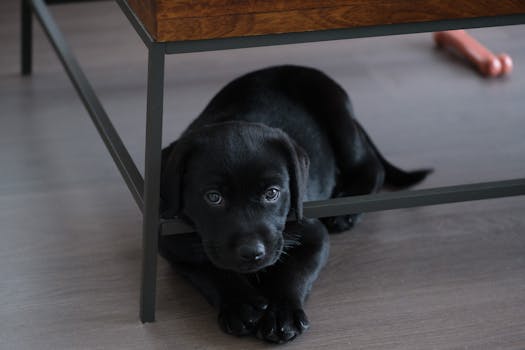
Ever looked at a Border Collie zooming around a tiny studio apartment and thought, “How is that even possible?” It’s a question many of us dog lovers face, especially those of us living in urban jungles or cozy abodes. The idea of keeping a high-energy dog breed in a small space can seem like a recipe for disaster – chewed furniture, frustrated pups, and maybe even a few frantic calls to animal control. But here’s a little secret: it’s not just possible, it can be downright successful! With the right approach, dedication, and a whole lot of understanding, you can absolutely thrive with a spirited canine companion, even when square footage is limited.
We’re talking about high energy dog breeds coping in small living spaces, and it’s more about managing that energy than containing it. It’s about being creative, consistent, and truly understanding what your dog needs to be a happy, well-adjusted member of your household. So, let’s dive in and explore how to make it work, turning potential challenges into a fulfilling partnership.
The Myth of “Space equals Happiness” for Active Pups
Many people assume that a bigger house automatically equates to a happier, less destructive dog, particularly for energetic breeds. But frankly, that’s often a misconception. A sprawling mansion with no mental stimulation or physical outlets can be far worse for a high-drive dog than a thoughtfully managed small apartment filled with enriching activities. It’s not the size of the home that matters most; it’s how you utilize it and, crucially, what you do outside of it. Think of it like this: a kid in a huge playroom with no toys and no one to play with will likely be bored and restless. The same principle applies to our furry friends.
Prioritizing Mental Stimulation: The Brain Workout is Key
This is where the magic happens, especially when you’re navigating high energy dog breeds coping in small living spaces. Physical exercise is non-negotiable, of course, but don’t underestimate the power of a good mental workout. A tired brain is just as important, if not more so, than a tired body for these intelligent and driven breeds.
Puzzle Toys Galore: Invest in a variety of food-dispensing toys, treat balls, and interactive puzzles. These aren’t just toys; they’re essential brain teasers that require your dog to problem-solve, keeping them occupied and engaged for extended periods.
“Find It” Games: Hide treats or kibble around your apartment (start easy, then make it harder!) and encourage your dog to use their nose. This taps into their natural hunting instincts and is incredibly rewarding for them.
Training Sessions: Short, frequent training sessions are fantastic. Work on new commands, reinforce old ones, or even teach fun tricks. It builds your bond and provides mental engagement.
DIY Agility: Even in a small space, you can set up mini agility courses using household items. Think tunnels made from blankets, jumps over pillows, or weave poles made from broomsticks.
The Non-Negotiable: Daily Physical Exertion
No amount of puzzle toys can replace good old-fashioned exercise. For breeds with high energy, this means daily, dedicated physical activity that goes beyond a quick trot around the block. This is where you, the owner, become the ultimate facilitator of your dog’s well-being.
#### Morning Dash: Start the Day Right
Before you even think about your morning coffee, get your dog out for a substantial walk or run. Aim for at least 30-60 minutes, focusing on pace and distance. If you have access to a safe, fenced area, a good game of fetch can be incredibly effective.
#### Afternoon Adventures: Breaking Up the Day
If you’re home during the day, a mid-day walk or play session is crucial to break up the monotony and burn off excess energy. Even a 20-minute power walk can make a significant difference.
#### Evening Wind-Down: Preparing for Rest
A final walk before bed helps to settle your dog and signals that it’s time to rest. This doesn’t need to be as intense as the morning session, but it should still be a good length.
Smart Space Utilization: Making Your Apartment Work for You
When considering high energy dog breeds coping in small living spaces, we need to be clever about how we use the space we do have. Every corner can become a training ground or a relaxation zone.
Vertical Space: Think about your dog’s climbing or perching instincts. A sturdy, multi-level cat tree (yes, for dogs!) or a window perch can offer new vantage points and a sense of exploration.
Designated Zones: Create a clear “dog zone” with their bed, toys, and water. This helps them feel secure and understand their personal space.
Toy Rotation: Keep a selection of toys accessible, but rotate them out regularly. This keeps things fresh and exciting, preventing boredom.
The Power of Socialization and Dog Sports
For high-energy dogs, especially those in urban environments, exploring opportunities outside the home is paramount.
Dog Parks (Use Wisely): Dog parks can be great for burning energy and practicing social skills, but choose them carefully. Ensure the dogs there are well-behaved and the environment is safe. Always supervise your dog.
Doggy Daycare: If your budget allows, a reputable doggy daycare a few times a week can provide excellent socialization and a chance for your dog to run and play with other pups.
Dog Sports: Consider agility, flyball, dock diving, or scent work. These activities are designed for high-energy dogs and provide both physical and mental challenges in a structured environment. They can also be great ways to meet like-minded dog owners.
Managing Expectations and Building a Partnership
Living with a high-energy dog in a small space requires commitment. It means you might have to wake up earlier, dedicate evenings to training, and plan your weekends around your dog’s needs. It’s a lifestyle choice, and it’s incredibly rewarding when you get it right.
In my experience, the dogs who struggle most in small spaces are those whose owners haven’t fully embraced the active lifestyle required. It’s not about if you can do it, but how dedicated you are to providing the necessary outlets. When you consistently meet your dog’s physical and mental needs, they will be calmer, happier, and more content in your home, regardless of its size.
Final Thoughts: It’s About Commitment, Not Just Cubicles
So, can high energy dog breeds cope in small living spaces? Absolutely. But it’s not a passive endeavor. It demands an owner who is willing to be an active participant in their dog’s life, who prioritizes enrichment, and who understands that a dog’s happiness isn’t dictated by the size of their four walls. It’s about the love, the effort, and the adventures you share, both inside and outside your home. If you’re up for the challenge, the rewards of having a spirited companion by your side are immeasurable.