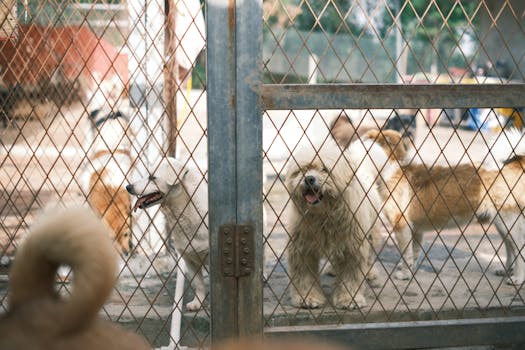
Imagine this: you’re at the park, your dog on a leash, enjoying a sunny afternoon. A friendly stranger approaches, wanting to pet your beloved companion. Suddenly, your dog lunges, barks furiously, or retreats with a growl. It’s an uncomfortable, often embarrassing, and even frightening experience for everyone involved. While we often wish our dogs were naturally gregarious, the reality is that their comfort and confidence around new people are largely shaped by early experiences. Understanding the subtle—and not-so-subtle—socialization mistakes that make dogs aggressive with strangers is the first, crucial step toward preventing these problematic reactions. It’s not about having a perfect dog from day one; it’s about building a foundation of positive associations that last a lifetime.
The Overlooked Cracks in Early Socialization
We hear it all the time: “Socialize your puppy!” But what does that really mean? Too often, it’s interpreted as simply exposing a puppy to as many people and places as possible, regardless of the quality of those interactions. This shotgun approach can backfire spectacularly.
Quantity Over Quality: A puppy overwhelmed by too many new faces, loud noises, or intense environments in a short period can become desensitized, not confident. They learn that novelty equals stress.
Forced Introductions: Pushing a hesitant puppy into the arms of a stranger, or forcing them to endure a hug they clearly dislike, teaches them that their feelings are ignored. This breeds distrust.
Ignoring Body Language: Puppies communicate their discomfort through subtle cues: lip licking, yawning, averting gaze, tucked tail. Missing these signals and allowing a negative experience to escalate is a major blunder.
When “Just Let Them Be” Becomes a Problem
A common piece of advice, often well-intentioned, is to “just let dogs figure things out themselves.” While independent problem-solving is good, it has its limits, especially with fear-based reactions.
The Fear Escalation Cycle: If a puppy experiences something mildly unsettling with a stranger and is left to “deal with it,” their fear can intensify. This can lead to avoidance, and eventually, a defensive reaction when their space is invaded. What starts as unease can morph into ingrained aggression.
Lack of Positive Reinforcement: Without guidance, a dog doesn’t learn that encountering strangers can be a good thing. They don’t associate new people with treats, praise, or calm interactions. It’s a missed opportunity to build positive associations.
Allowing Negative Interactions: Letting strangers pet a nervous dog without asking permission, or allowing children to chase a dog, are significant errors. These experiences teach the dog that strangers can be a threat.
The Impact of Inconsistent or Negative Past Experiences
It’s not just about puppyhood. A dog’s entire life experiences contribute to their current behavior. Past negative encounters can cast a long shadow, making them wary of future interactions.
The “One Bad Apple” Syndrome: A single frightening encounter—a clumsy hug, a loud shout, being cornered—can be enough to make a dog generalize that experience to all strangers. This is a key factor in understanding socialization mistakes that make dogs aggressive with strangers.
Fear-Based Aggression: When a dog feels threatened, their instinct is to protect themselves. If they’ve learned that aggression is the only way to make a scary situation stop, they’ll use it. This isn’t maliciousness; it’s a survival tactic.
Lack of Controlled Exposure: If a dog has predominantly encountered strangers in chaotic or overwhelming situations, they may struggle to remain calm in quieter, controlled introductions later on. Their past experiences create a blueprint of what to expect.
Strategies for Building Confidence, Not Fear
Preventing and addressing these socialization mistakes that make dogs aggressive with strangers requires a proactive, thoughtful approach. It’s about creating positive, controlled experiences that build your dog’s confidence.
Controlled, Gradual Introductions: Start small. Have strangers toss treats to your dog from a distance without making eye contact. Gradually decrease the distance as your dog shows comfort.
Empower Your Dog: Never force your dog to interact. Let them approach when they feel ready. If they retreat, respect that.
Educate Others: Teach friends and family how to greet dogs appropriately: ask permission, approach calmly, offer a hand to sniff, and avoid direct eye contact initially.
Positive Reinforcement is Key: Reward calm behavior around strangers with high-value treats and praise. This helps your dog associate new people with good things.
Observe and Respect: Pay close attention to your dog’s body language. If they show signs of stress, calmly remove them from the situation and try again another time under less pressure.
Addressing Existing Wariness: A Different Ballgame
If your dog already exhibits fear or aggression towards strangers, it’s crucial to approach the situation with patience and expertise. This isn’t about “fixing” your dog, but about managing their environment and building their confidence over time.
Seek Professional Help: A certified professional dog trainer or veterinary behaviorist can assess your dog’s specific triggers and develop a tailored behavior modification plan. This is vital for safety and effectiveness.
Management is Crucial: Until your dog’s confidence improves, manage situations to prevent negative encounters. This might mean using baby gates, keeping them in another room when guests arrive, or avoiding busy public places.
Counter-Conditioning and Desensitization: This involves gradually exposing your dog to triggers (strangers) at a level they can tolerate, paired with something they love (like a special treat or toy). The goal is to change their emotional response from fear to positive anticipation.
Focus on Calmness, Not Just Exposure: The aim isn’t to “get them used to it” through repeated overwhelming experiences, but to create enough positive, controlled interactions that they begin to feel safe and confident.
Wrapping Up: Building Bridges, Not Barriers
The journey to a well-socialized dog isn’t always linear, and sometimes, despite our best efforts, we can inadvertently make socialization mistakes that make dogs aggressive with strangers. The key takeaway is that socialization is an ongoing process, built on understanding, patience, and positive reinforcement. Instead of just exposing your dog to the world, focus on creating positive, controlled experiences that teach them the world is a safe and friendly place. Start today by observing your dog’s cues and empowering them in their interactions – it’s the most loving and effective approach to raising a confident, happy canine companion.