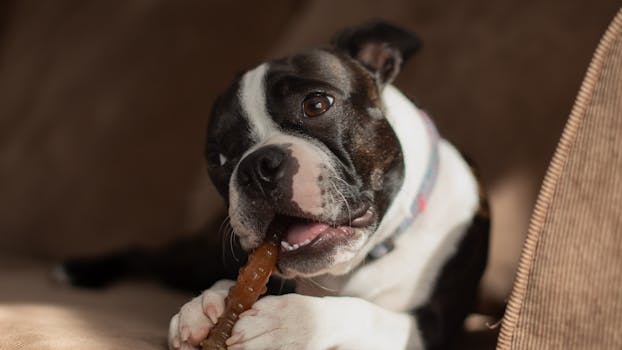
Ah, treats. The universal language of love for our furry companions. That moment your dog’s eyes light up, their tail wags like a metronome on overdrive, and they perform that trick they totally just invented for the sole purpose of earning a delicious morsel – it’s pure joy, isn’t it? We humans often equate “good behavior” with “treat reward,” and who can blame us? It’s a quick, seemingly effective way to shape our pets’ actions. But here’s a little secret whispered among the more seasoned pet whisperers: sometimes, in our well-intentioned quest to create the perfectly behaved Fido or Fluffy, we can inadvertently cause a bit of a behavioral kerfuffle. We’re talking about the behavioral impact of over rewarding pets with treats, a phenomenon that’s as common as a cat napping in a sunbeam.
Let’s be honest, who among us hasn’t emptied half a bag of salmon-flavored delights into our pup’s eager mouth for simply existing in our general vicinity? It’s a slippery slope, and before you know it, your furry friend might be treating your commands with the same enthusiasm they reserve for dusting their trophy shelf.
The Case of the Demanding Doggo: When Treats Become Entitlement
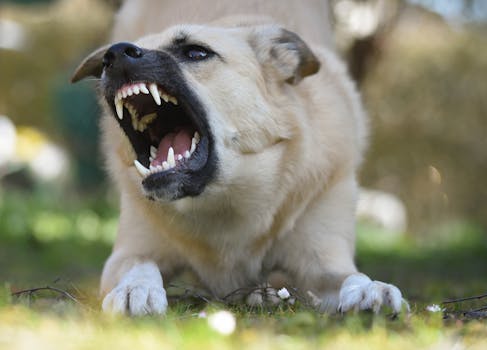
Imagine this: your dog sits. You give a treat. Your dog lies down. You give a treat. Your dog barks at a squirrel (a perfectly natural dog activity, mind you). You, in a moment of misguided reinforcement, give a treat. Suddenly, your pet isn’t just performing tricks; they’re demanding compensation for every single breath they take. This is where the behavioral impact of over rewarding pets with treats starts to rear its slightly chubby, treat-stuffed head.
Over-reliance on treats can transform a happy request into an expectation. Your dog might start to associate your presence with an immediate handout, rather than the genuine bond and interaction you share. This can lead to:
Decreased Motivation for Non-Reinforced Behaviors: If every single action earns a reward, why would they bother doing anything that doesn’t? Their internal treat-o-meter might be stuck on “full,” rendering your verbal praise or a gentle pat less impactful.
Increased Demanding Behavior: You might find your pet nudging your hand incessantly, bringing you their treat bag, or even exhibiting mild annoyance if a reward isn’t immediately forthcoming. It’s less “please” and more “where’s my darn kibble?”
Selective Hearing: Suddenly, that “sit” command might only register when they see you reach for the treat jar. The rest of the time? Well, the world is full of fascinating smells, and you’re just a facilitator of snacks.
The “What’s In It For Me?” Feline Factor
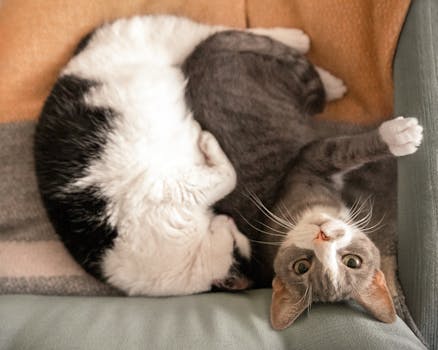
It’s not just our canine companions who can fall prey to the treat trap. While cats are often portrayed as aloof creatures who deign to grace us with their presence, they too can develop specific behaviors when treats are doled out too liberally.
Loss of Value for Natural Behaviors: If every time your cat condescends to walk past you, they get a salmon bite, they might begin to see you as a vending machine rather than a cherished companion. Playtime might become less about shared fun and more about the potential for a reward.
The “Clicker Without the Clicker” Syndrome: Have you ever noticed your cat suddenly developing an intense interest in a specific spot on the floor, only for them to look expectantly at you when you walk by? They’ve learned that that location is a prime spot for treat acquisition. This can lead to peculiar, often inconvenient, behavior patterns.
Beyond the Belly: Unintended Consequences
The behavioral impact of over rewarding pets with treats extends beyond simple enticement. It can actually dilute the power of other, more meaningful forms of reinforcement.
Erosion of Social Rewards: For many pets, praise, petting, and play are incredibly rewarding. When treats become the primary currency, these social interactions can lose their punch. Your dog might not respond as enthusiastically to your delighted “Good boy!” if their brain is solely focused on the next biscuit.
The High-Value Treat Trap: We often reserve the really good stuff – the tiny pieces of cheese, the gourmet liver bits – for training. This creates a scenario where your pet only sees those exceptional rewards as truly worthwhile. Suddenly, their regular kibble or even a standard dog biscuit barely registers. This can make everyday feeding times feel less exciting and complicate training for less “glamorous” behaviors.
Potential for Obesity and Health Issues: While not strictly a behavioral impact, it’s impossible to ignore the caloric consequences. An overweight pet is often a less active and potentially less happy pet, which can, in turn, influence their behavior and overall well-being.
Rethinking the Reward System: Smarter Strategies for Stellar Companions
So, what’s a loving pet parent to do? Do we banish treats forever and resort to stern glances and the occasional disappointed sigh? Absolutely not! Treats are a fantastic tool when used judiciously. The key is to employ them strategically, ensuring they enhance, rather than undermine, your pet’s overall behavior and your relationship.
Here are a few pointers to keep your treat-dispensing habits in check:
Variety is the Spice of Life (and Training): Don’t rely solely on food. Mix up your rewards! Verbal praise (“You’re the best dog ever!”), enthusiastic petting, a quick game of fetch, or even a new squeaky toy can be just as, if not more, rewarding for your pet.
Use Treats for New or Difficult Behaviors: Reserve those high-value treats for when you’re teaching something novel, or when your pet is struggling with a particular command or situation. Once the behavior is solid, transition to lower-value rewards or praise.
The “Rate of Reinforcement” Matters: Think of it like a slot machine. If every pull yields a win, you stop playing. If wins are sporadic but still happen, you keep going. For established behaviors, you don’t need to reward every single instance. Randomly rewarding a learned behavior actually makes it more resilient.
Consider “Life Rewards”: For many pets, access to their environment or desired activities is a reward in itself. Opening the door to go outside, getting to greet a visitor, or being allowed on the sofa can all serve as powerful motivators.
Partner with Your Vet: If you’re concerned about your pet’s weight or overall health, always consult your veterinarian. They can offer personalized advice on diet and exercise, which can indirectly influence behavior.
Wrapping Up: The Art of the Balanced Biscuit
Ultimately, the behavioral impact of over rewarding pets with treats is a gentle reminder that moderation is key. Our pets crave our attention, our affection, and yes, a tasty snack now and then. But when treats become the sole currency of our relationship, we risk diminishing the value of everything else that makes our bond so special. By diversifying our reward system and using treats with intention, we can ensure our furry friends remain happy, healthy, and responsive companions, rather than pampered overlords with a perpetual craving. So, go ahead, give your pet a well-deserved treat, but perhaps save the entire bag for a truly extraordinary* occasion.